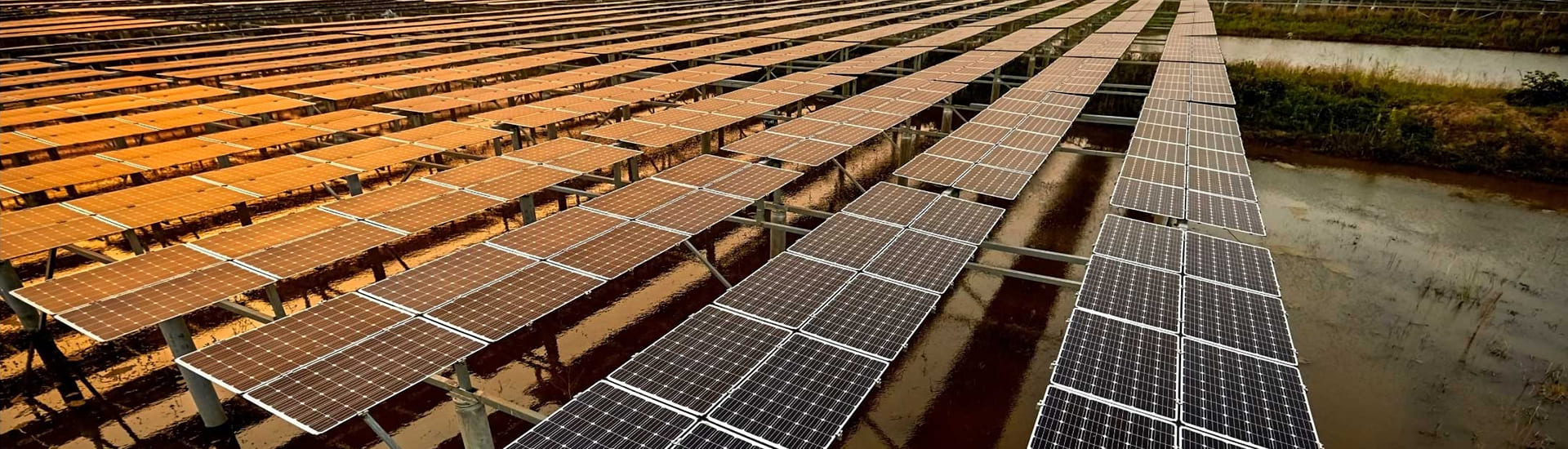
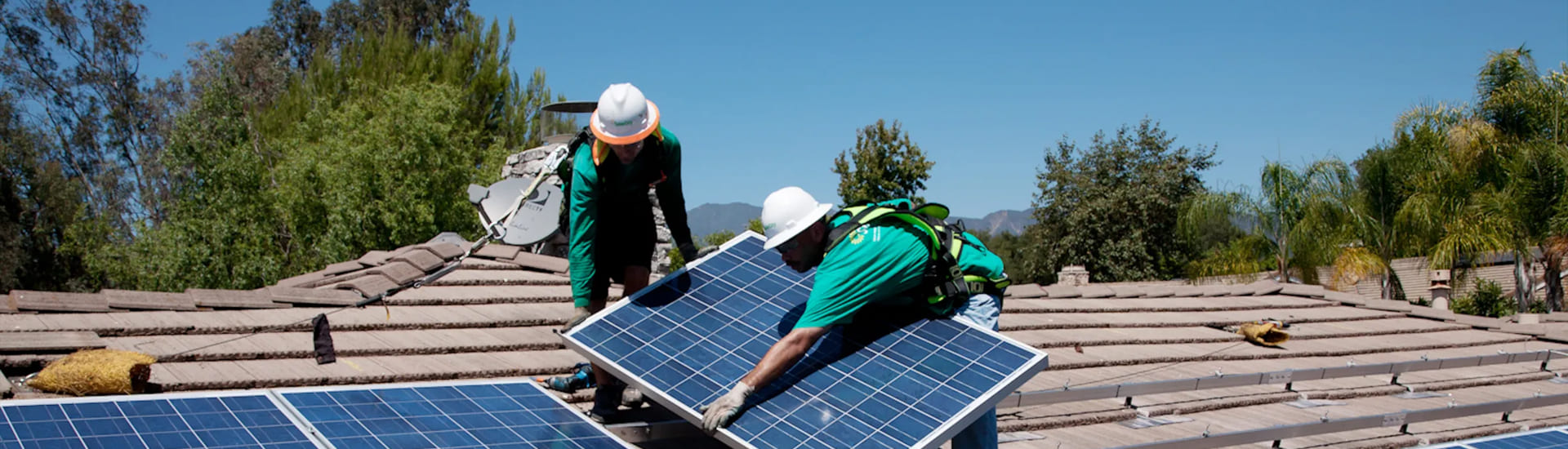
Solar energy works by capturing sunlight through photovoltaic (PV) panels, which convert it into electricity. This electricity can then be used to power homes, businesses, and industries. Any excess energy can be stored in batteries or sent back to the grid.
Installing solar panels helps reduce electricity bills, lowers carbon emissions, provides energy independence, and increases property value. Additionally, many governments offer incentives and tax benefits for solar installations.
Yes, solar panels can still generate electricity on cloudy or rainy days, although their efficiency may be slightly reduced. Modern solar panels are designed to capture diffused sunlight, ensuring consistent energy production even in less sunny conditions.
Most high-quality solar panels have a lifespan of 25-30 years or more. They require minimal maintenance and continue to operate efficiently with proper care and occasional cleaning.
Solar panels do not produce electricity at night, but you can store excess energy generated during the day in solar batteries. These batteries provide power when sunlight is unavailable, ensuring a continuous energy supply.
.svg)