.svg)
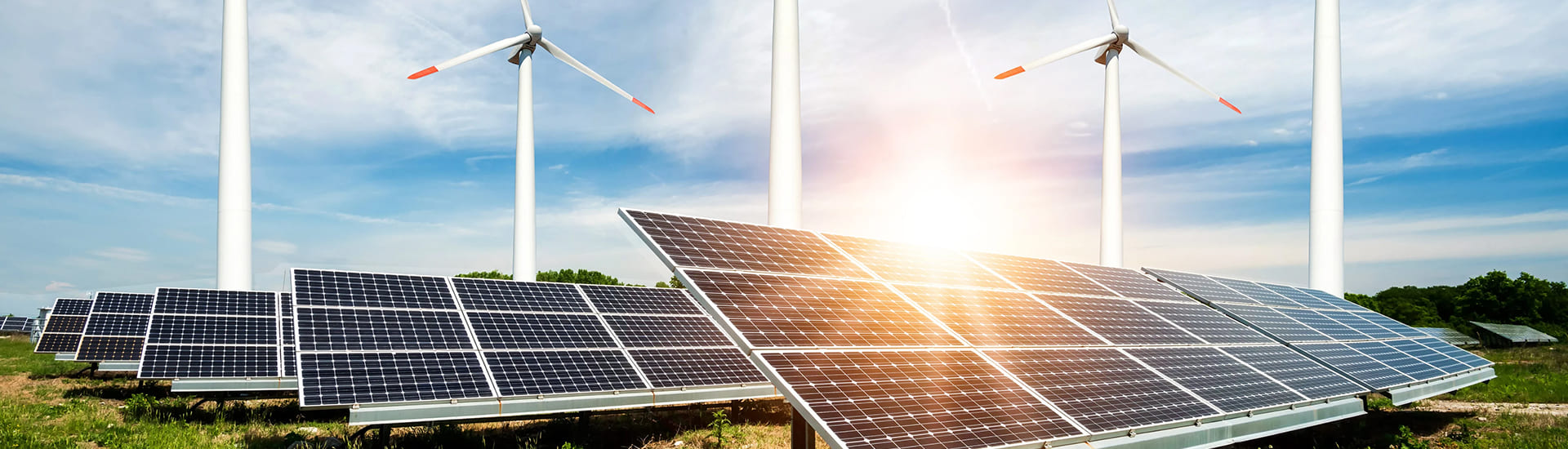
In today’s world, where climate change and environmental concerns are at the forefront, solar energy is proving to be one of the most promising solutions for a sustainable and energy-efficient future. As the demand for clean energy grows, solar power is rapidly expanding, offering individuals and businesses an opportunity to reduce electricity costs, minimize carbon footprints, and achieve energy independence.
Solar technology has evolved tremendously over the past decade, with higher-efficiency panels, improved battery storage, and smarter grid systems making it more reliable than ever. The decreasing cost of solar installations, coupled with government incentives, has further accelerated adoption across residential, commercial, and industrial sectors. Countries around the world are investing in large-scale solar projects, recognizing the potential of this renewable energy source to replace fossil fuels.
The continuous advancement of solar technology is shaping the future of energy production. Some of the most cutting-edge developments include:
Switching to solar energy is not just about sustainability—it’s also a smart financial decision. With rising electricity prices, solar power allows individuals and businesses to:
As the world moves toward renewable energy adoption, solar power is becoming a dominant force in the global energy mix. Governments, corporations, and individuals are realizing the long-term benefits of investing in solar solutions. In many regions, solar energy is now cheaper than fossil fuels, making it a preferred choice for both grid-scale and off-grid applications.
Looking ahead, the future of solar energy is brighter than ever. With continuous innovations, increasing affordability, and growing environmental consciousness, the transition to solar power is inevitable. The next decade will likely witness the widespread integration of smart solar grids, advanced energy storage solutions, and community-based solar projects, making solar energy more accessible to everyone.
By adopting solar energy today, we are taking a crucial step toward a cleaner, greener, and more sustainable future for generations to come.